

How does a fire standpipe differ from a fire hydrant?
Both fire standpipes and fire hydrants are critical components of firefighting infrastructure, designed to provide water for suppressing fires. However, they serve distinct purposes, are installed in different locations, and operate under varying conditions. Understanding their differences is essential for architects, engineers, firefighters, and building managers to ensure optimal fire safety. Below is a detailed comparison of fire standpipes and fire hydrants.
Purpose and Function
Fire Standpipe
- Primary Function: A fire standpipe is a vertical pipe system installed inside buildings to deliver water to upper floors, especially in high-rise structures where conventional firefighting methods may be ineffective.
- Usage: Firefighters connect hoses to standpipe outlets (usually located on each floor) to direct water to the fire scene.
- Key Advantage: Provides immediate access to water at multiple points within a building, reducing response times and enabling early intervention.
Fire Hydrant
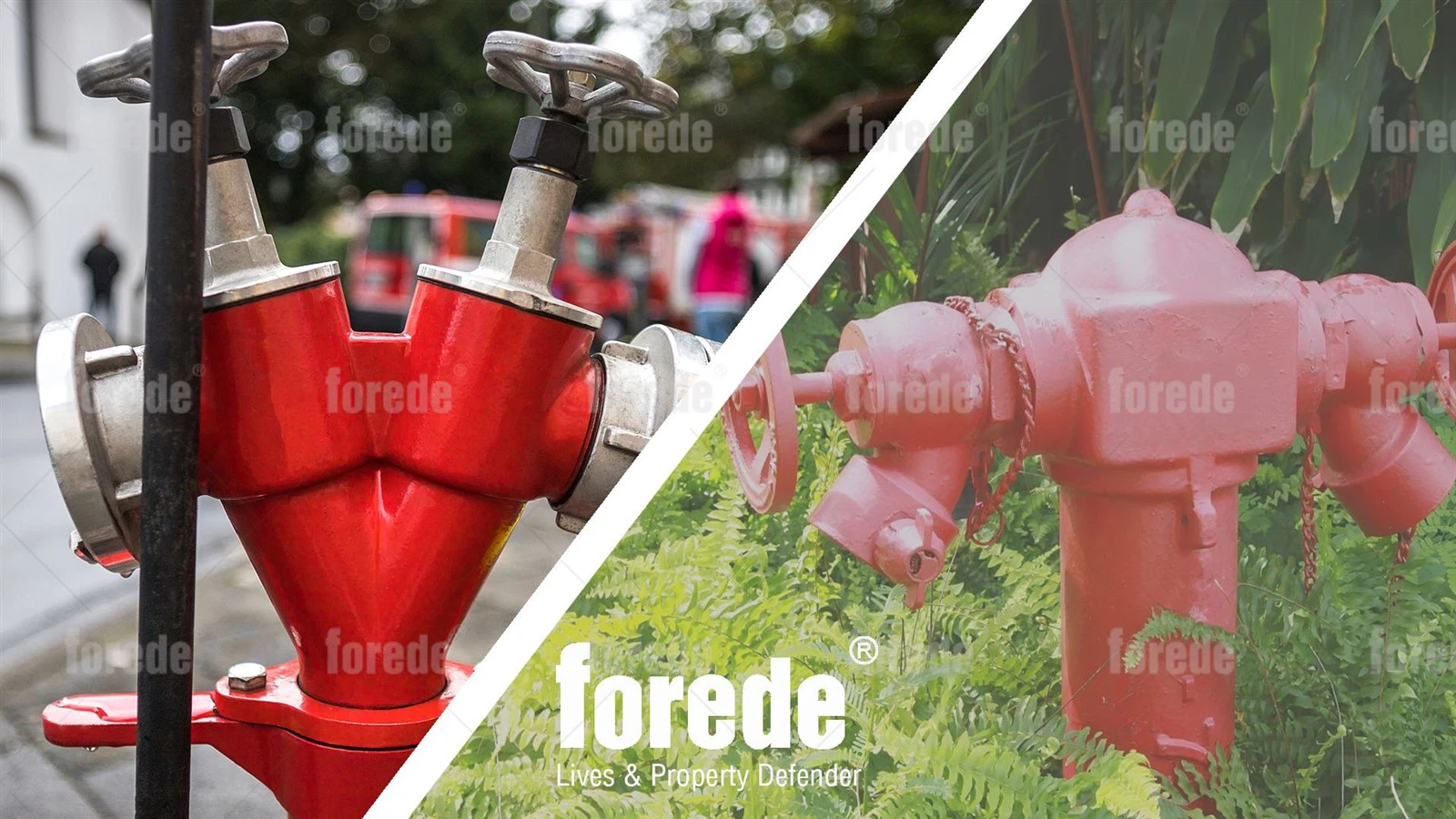
- Primary Function: A fire hydrant is an outdoor fixture connected to a municipal water supply, designed to provide a large volume of water for firefighting operations.
- Usage: Firefighters attach hoses to hydrant outlets and use pump trucks to draw water at high pressure.
- Key Advantage: Serves as a primary water source for exterior fires or as a backup for standpipe systems in large-scale emergencies.
Location and Installation
Fire Standpipe
- Location: Installed vertically within buildings, typically in stairwells, corridors, or designated fire protection areas.
- Accessibility: Outlets are placed at regular intervals (e.g., every 30 meters or 98 feet vertically) to ensure coverage on all floors.
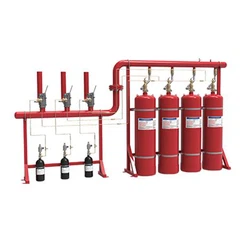
- Integration: Often connected to sprinkler systems, foam-water systems, or deluge systems for enhanced protection.
Fire Hydrant
- Location: Installed outdoors, usually along streets, in parking lots, or near industrial facilities.
- Accessibility: Positioned at regular intervals (e.g., every 300 feet or 91 meters in urban areas) to ensure coverage within a reasonable distance.
- Installation: Buried underground with above-ground access points for hose connections.
Design and Components
Fire Standpipe
- Piping: Constructed from steel or galvanized iron to withstand high pressure and corrosion.
- Valves: Equipped with control valves at each floor to regulate water flow and prevent unauthorized use.
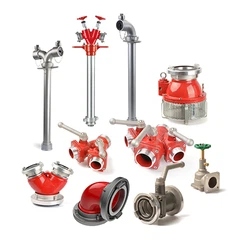
- Hose Connections: Standardized outlets (e.g., Storz or National Pipe Thread) for compatibility with firefighting hoses.
Types:
- Wet Standpipe: Permanently charged with water under pressure for immediate use.
- Dry Standpipe: Filled with air and charged with water only during emergencies to prevent freezing.
Fire Hydrant
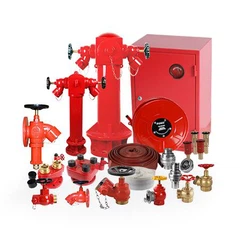
- Barrel: The main vertical pipe that connects to the water supply.
- Bonnet: The top section that houses the valve mechanism.
- Outlets: Typically two or more hose connections (e.g., 2.5-inch or 4-inch nozzles) for attaching fire hoses.
- Pumper Connection: A larger outlet for connecting fire pump trucks to boost water pressure.
- Types:
- Wet Barrel Hydrant: Used in warmer climates, with individual valves for each outlet.
- Dry Barrel Hydrant: Common in cold climates, with a drain valve to prevent freezing.
Use Cases and Applications
Fire Standpipe
- High-Rise Buildings: Essential for providing water to upper floors where municipal hydrants may be ineffective.
- Industrial Facilities: Used in large warehouses or factories where interior firefighting access is limited.
- Underground Structures: Installed in parking garages or tunnels to supplement exterior hydrants.
Fire Hydrant
- Urban Areas: Primary water source for fighting street fires, residential fires, or large-scale emergencies.
- Rural Areas: Provides access to water in areas without a built-in fire suppression system.
- Industrial Zones: Supports firefighting efforts in chemical plants, oil refineries, or other hazardous environments
Advantages and Disadvantages
Fire Standpipe
Advantages:
- Immediate access to water inside buildings.
- Reduces reliance on exterior hydrants in high-rise scenarios.
- Can be integrated with other fire protection systems.
Fire Hydrant
Advantages:
- Provides unlimited water (subject to supply).
- Suitable for large-scale firefighting operations.
- More durable and less prone to internal damage.