

What is a Low Expansion Foam Nozzle?

What is a Low Expansion Foam Nozzle?
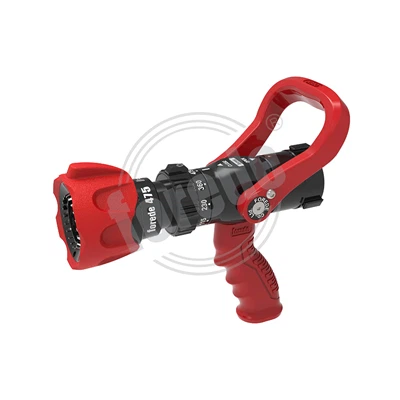
Low Expansion Foam Nozzle (LEF Nozzle) is a firefighting appliance specifically designed to generate fire-suppressing foam by mixing air into a stream of foam solution (water + foam concentrate), producing foam with an expansion ratio typically less than 20:1. This means for every 1 unit volume of foam solution entering the nozzle, it outputs less than 20 unit volumes of finished foam. Common expansion ratios range from 2:1 to 12:1. There are two main types: Air-Aspirating and Non-Aspirating (or "Water Nozzle Applied"). Air-Aspirating LEF Nozzles have a distinct design (often featuring a large air inlet chamber or vents surrounding the discharge orifice) that mechanically draws in and mixes ambient air with the foam solution stream under pressure, creating a consistent, relatively wet foam. Non-Aspirating types simply discharge the foam solution through a standard fog or spray nozzle pattern; the foam bubbles form primarily upon impact with the target surface or through minimal air entrainment in the spray. The resulting low-expansion foam is fluid, drains its extinguishing solution relatively quickly, and has good heat resistance for its type.
The core function of an LEF Nozzle is to produce low expansion foam to effectively control, extinguish, and secure Class B flammable liquid fires and provide spill vapor suppression. It achieves this through key mechanisms:
Forming a Sealing Blanket: The fluid foam flows rapidly across the fuel surface, creating a continuous layer that separates the fuel from oxygen, smothering the fire.
Cooling: The water content within the foam absorbs significant heat from the fuel surface and flames, reducing the fuel temperature below its ignition point and cooling adjacent metal surfaces.
Suppressing Vapors: The cohesive blanket prevents the release of flammable vapors from the fuel, crucial for preventing reignition and reducing explosion hazards during spill control and post-extinguishment (overhaul).
Providing a Protective Cover: The foam adheres well to vertical and irregular surfaces, shielding unignited fuel or exposures from radiant heat and flames. Low expansion foam excels at rapidly establishing a seal over large liquid surfaces and is less susceptible to wind disruption th
Low Expansion Foam Nozzles are the primary tool for attacking large, open-surface flammable liquid fires:
Storage Tank Fires: Protecting fixed cone roof, floating roof, and spill containment (dike/berm) fires in refineries, terminals, and bulk storage facilities. Applied via ground monitors or roof-top nozzles.
Aircraft Rescue and Firefighting (ARFF): Rapidly extinguishing spilled jet fuel fires on runways and around aircraft using handlines and truck-mounted turrets. High flow rates are common.
Industrial Facilities: Fighting fires involving process areas, transformer yards (using AFFF/FFFF), loading racks, and flammable liquid spills in manufacturing plants.
Marine Firefighting: Protecting docks, ship decks (cargo, machinery space spills), and boat harbors.
Transportation Incidents: Fuel spills and fires involving tanker trucks, railcars, and cargo vehicles.
Spill Control & Vapor Suppression: Blanketing large non-burning spills of volatile liquids to prevent vapor ignition.
Wildland-Urban Interface (WUI): Protecting structures from advancing liquid fuel fires (e.g., propane tanks).
Foam-Water Sprinkler/Deluge Systems: Fixed systems in high-hazard areas like aircraft hangars, warehouses storing flammables, or processing plants.
The low expansion ratio defines the unique properties and tactical advantages of LEF foam:
Fluidity and Flow: The wet, dense foam flows very rapidly across fuel surfaces, allowing it to quickly cover large areas and seal the fuel from air. This is critical for fast knockdown of large liquid pool fires.
Heat Resistance & Burnback Resistance: The foam blanket has a relatively high liquid content, giving it good resistance to heat and direct flame impingement. This provides better burnback resistance (the ability to withstand heat and reignition) compared to higher expansion foams.
Longer Projection Reach: The denser foam stream can be projected further from the nozzle using standard hose streams or monitors than medium or high expansion foam. This allows firefighters to maintain a safer distance from intense fires.
Fuel Tolerance & Film Formation: Low expansion foams, especially AFFF (Aqueous Film Forming Foam) and FFFP (Film Forming Fluoroprotein), create an aqueous film on hydrocarbon fuels. This film spreads rapidly ahead of the foam blanket, suppressing vapors and providing fast fire knockdown. The low expansion ratio is necessary for this film to form effectively.
Compatibility with Standard Equipment: LEF Nozzles (especially non-aspirating types) can often be used with standard fog nozzles and firefighting pump pressures, making them highly versatile and deployable.
Rapid Knockdown & Coverage: Excels at quickly extinguishing large surface area liquid fuel fires due to fast flow and sealing capability.
Excellent Burnback Resistance: Provides durable protection against reignition on hot fuels.
Long Reach: Can be applied effectively from greater distances using monitors or handlines.
Versatility: Effective on a wide range of hydrocarbon fuels; AR versions handle polar solvents. Works well outdoors.
Film Formation (AFFF/FFFFP): Unique aqueous film provides very fast vapor suppression and knockdown.
Compatibility: Non-aspirating types work with standard fog nozzles; aspirating types are common and robust.
Established Standards & Use: Long history, well-understood tactics, and widely available equipment/concentrates.
Limitations:
Limited Penetration/Cavity Filling: The fluid foam does not effectively fill deep cavities, voids, or piled materials like higher expansion foams. Poor for confined space fires.
Ineffective for Sub-Surface Injection: Too dense to inject below the surface of burning liquids; would sink without smothering effectively. Medium expansion foam is required for this tactic.
Higher Water/Concentrate Usage: Requires more solution volume to cover the same surface area compared to medium expansion foam (though less than plain water).
Wind Effects: While more resistant than high expansion, strong winds can still blow foam off target or disrupt application, especially during initial stream placement.
Environmental Concerns: Legacy fluorinated concentrates (PFAS) raise significant environmental and health concerns; modern fluorine-free foams (F3) are increasingly used but may have different performance characteristics.
Potential Fuel Dilution/Pumping Over: On water-miscible fuels (polar solvents) without proper AR foam, or if applied too forcefully, the foam solution can mix with the fuel, potentially increasing its volume or causing frothing ("pumping over").
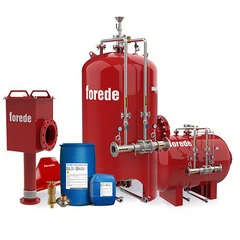
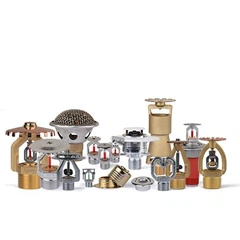
As a leading company in firefighting field,FOREDE has a wide product range including Fire Nozzle&Monitors, Fire Sprinkler Systems, Foam Systems, Fire Hydrant Systems,Fire Truck Accessories.etc.
Our address
Nan'an City, Quanzhou City Fujian PRC-China
Phone Number