

What is Fire Monitor?
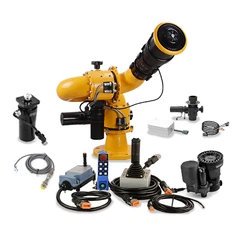
A fire monitor, also known as a water cannon, is a high-capacity firefighting device designed to deliver large volumes of water or foam over long distances. It is widely used in industrial fire protection systems, oil and gas facilities, petrochemical plants, marine environments, and airports where high-risk fire hazards exist.
Fire monitors can be manually operated or remotely controlled, allowing firefighters to safely control fire from a distance. With powerful flow rates and adjustable spray patterns, fire monitors play a critical role in suppressing large-scale fires and protecting critical infrastructure.
Modern fire monitors are engineered for high performance, durability, and precise control, making them an essential part of advanced fire protection systems.
Precise flow and pressure control
Wide range of spray patterns
High durability and corrosion resistance

High Performance
Optimized for maximum firefighting efficiency and water distribution
Advanced Design
Engineered with modern technology for precise flow and pattern control
Professional Use
Widely used by firefighters and industrial fire protection systems
Versatile Applications
Suitable for water, foam and combined firefighting systems
Types of FOREDE Fire Monitors
Fire monitors are available in different types to meet various firefighting needs.

Fixed Manual Fire Monitor
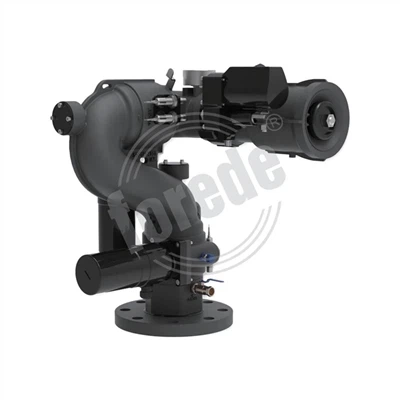
fixed manual fire monitor is a type of fire suppression system used in industrial and commercial settings to control fires. It is generally mounted on a fixed position and operated manually by a trained professional during a fire emergency.
The device works by releasing a stream of water or other suppressant material at a high velocity to extinguish any flames within its range. It is often integrated with other fire detection and alarm systems to provide a comprehensive fire safety solution.
Despite its simplicity, a fixed manual fire monitor is a highly effective fire suppression fire equipment, and it can play a crucial role in preventing the spread of fire and minimizing damage to property.
Fixed Remote Fire Monitor
Fixed remote fire monitors, also known as fixed remote fire extinguishing systems, are an essential piece of equipment for fire safety and prevention. These systems are designed to provide a quick and effective response to fires, especially in large or complicated areas where fire suppression may be difficult or dangerous.
Fixed remote fire monitors use advanced technology to monitor the environment for signs of fire, such as smoke or heat. Once a fire is detected, the system activates and releases a specially designed fire extinguishing agent, such as foam or dry powder, to suppress the flames.
These systems are not only highly effective and reliable, but they are also cost-effective and easy to maintain. By investing in a fixed remote fire monitor, property owners and managers can ensure that their facilities are adequately protected against the threat of fire.


Portable Fire Monitor
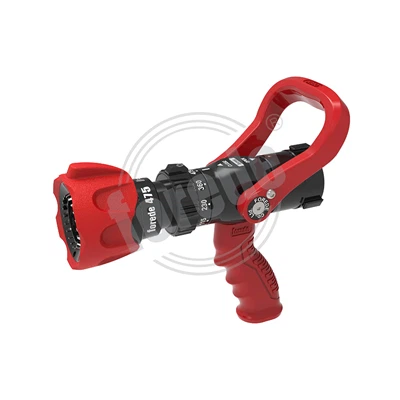
Portable Fire Monitor – an innovative piece of equipment that can save lives and prevent destruction. This state-of-the-art fire monitor is designed to be portable and easy to use, making it an essential tool for firefighters and emergency responders.
Portable Fire Monitor is manufactured using high-quality materials and is built for durability. It is lightweight and compact, which makes it easy to transport to a fire scene. Its ergonomic design allows for quick and easy deployment, even in the most challenging situations.
fire monitor has adjustable water flow, which allows for precise control of the water stream. It also has an impressive range, enabling firefighters to reach fires from a safe distance. The monitor can be mounted on a tripod or attached to a sturdy surface, giving firefighters even greater flexibility and functionality.
Automatic Fire Monitor
Automatic Fire Monitor is an outstanding product that is designed to enhance fire safety in various environments. This innovative equipment is tailored to work optimally in various conditions such as open-air arenas, ports, chemical industries, airports, oil and gas refineries, and many other similar locations.
One of the significant benefits of the Automatic Fire Monitor is its automatic functionality. The equipment is equipped with intelligent technology that releases water and fire suppression agents automatically in the case of fire outbreaks. The technology ensures that the monitor responds promptly to the event of a fire, mitigating the spread of fire and preventing damage to property and lives.
Moreover, the Automatic Fire Monitor is incredibly durable, making it an excellent investment for individuals, organizations, and businesses that value safety. The equipment is designed to withstand harsh environments, such as high-temperature settings and extreme weather conditions. The durability also reduces the need for frequent replacements, adding to its cost-effectiveness.

How to Choose a Fire Monitor
Selecting the right fire monitor is essential for effective fire protection.
When choosing a fire monitor, factors such as flow rate, operating pressure, rotation angle, control method, and application environment must be considered. Industrial facilities may require high-flow monitors with foam capability, while municipal systems may focus on flexibility and ease of operation.
Material selection is also critical, especially in corrosive environments such as marine or chemical plants. Stainless steel or bronze monitors are often preferred in such conditions.
Flow rate and pressure requirements
Manual or remote control system
Rotation angle and coverage area
Material and corrosion resistance
Compliance with international standards
Spray medium
Fire Monitor Applications
Selecting the right fire nozzle is critical for effective firefighting performance.


Fire monitors are essential in industries where large fires may occur and rapid response is critical. In oil and gas facilities, they are used to control flammable liquid fires with foam systems. In petrochemical plants, fire monitors provide wide coverage and high flow rates to suppress fires effectively.
Marine vessels and offshore platforms rely on fire monitors for onboard fire protection, while airports use them for aircraft fire emergencies. Fire monitors are also installed in warehouses, power plants, and large industrial facilities.
With the development of smart firefighting systems, modern fire monitors can be integrated with remote control systems, thermal imaging cameras, and automatic fire detection systems, improving safety and operational efficiency.
Fire Monitor FAQ
Q:1.What is a Fire Monitor?
A:A Fire Monitor, commonly known as a water cannon, is a powerful device designed to direct a high-volume stream of water or firefighting foam onto a fire. It plays a crucial role in quickly controlling and extinguishing large fires.
Q:2.Where are Fire Monitors commonly used?
A:Fire monitors are widely used in industrial facilities, oil refineries, airports, and firefighting vehicles. They are also employed at docks, chemical plants, and large warehouses to ensure safety and rapid fire response.
Q:3. How does a Fire Monitor work?
A:The fire monitor is connected to a water supply or foam system. It allows firefighters to aim a strong and continuous stream of water remotely or manually. This precision targeting helps to cool flames and prevent fire spread effectively.
Q:Can Fire Monitors use foam as well as water?
A:Yes! Many fire monitors are compatible with firefighting foam, which is especially useful for tackling flammable liquid fires, creating an extra layer of protection to smother flames.
Q:5.How is a Fire Monitor maintained?
A:Routine inspection and cleaning ensure the fire monitor remains in excellent working condition. Regular tests verify that it operates smoothly and delivers water or foam at the required pressure.
Q:6.Why is Fire Monitor technology important?
A:Fire monitors provide a vital boost to firefighting efforts by increasing efficiency and safety. They help protect people, property, and the environment, demonstrating the power of innovation in fire safety.