

A riser check valve and an alarm check valve are two important components of a fire protection system. While they share some similarities in function, there are also some key differences that set them apart. In this article, we will explore the differences between these two valves and why they are important in ensuring fire safety.
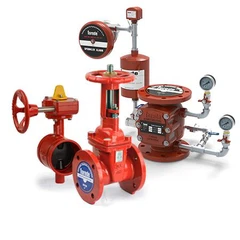
First, let's start with a definition of each valve. A riser check valve is a type of valve that is installed at the base of a fire department connection (FDC) riser. This valve is designed to prevent water from flowing back into the municipal water supply and contaminating it. An alarm check valve, on the other hand, is a valve that is installed in a fire sprinkler system. It is designed to prevent water from flowing back into the sprinkler system and causing damage or malfunction.
One of the main differences between these two types of valves is their location. A riser check valve is typically located outside the building and is connected to a fire department connection. An alarm check valve, on the other hand, is located inside the building and is connected to the sprinkler system. The reason for this difference in location is that the two types of valves serve different purposes. A riser check valve is primarily concerned with preventing water contamination, while an alarm check valve is concerned with preventing damage to the sprinkler system.
Another difference between these valves is that a riser check valve is typically a non-return valve, while an alarm check valve may be either a non-return valve or a flow control valve. A non-return valve is designed to allow water to flow in one direction only, while a flow control valve is designed to regulate the flow of water through the sprinkler system. The type of valve used depends on the specific needs of the system.
Finally, a riser check valve and an alarm check valve may have different activation methods. A riser check valve is typically activated manually by a firefighter using a special tool to open the valve. An alarm check valve, on the other hand, is activated automatically when the water pressure in the sprinkler system drops below a certain level. This triggers an alarm that alerts the building occupants and the fire department of a possible fire.
In conclusion, a riser check valve and an alarm check valve are two important components of a fire protection system. While they share some similarities in function, there are also some key differences that set them apart. Understanding these differences is important for ensuring that the system operates correctly and effectively in the event of a fire.