

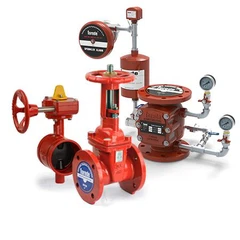

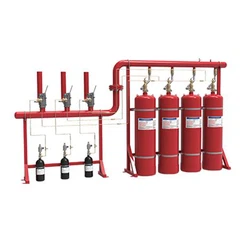
An alarm valve is a crucial part of fire protection systems in various buildings, including commercial, industrial, and residential ones. Its primary purpose is to activate an alarm when a fire occurs, alerting occupants of the building and initiating the fire suppression systems. The alarm valve is one of the most critical components in the fire protection system, ensuring that people and property are safe in the event of a fire.
Here are some of the uses of an alarm valve:
1. Activates alarms
An alarm valve is designed to detect and react to a fire emergency by activating an alarm. It is connected to the fire detection sensors in the building and triggers an alarm when smoke or flames are detected. This alarm is important as it warns the occupants of the building of the impending danger, allowing them to take appropriate action to evacuate safely.
2. Controls water flow
The alarm valve also controls the water flow in the sprinklers or other fire suppression systems. It opens and closes automatically in response to the demand for water from the fire sprinkler system. This ensures that the water used for fire suppression is adequately distributed throughout the building.
3. Prevents water damage
One of the significant benefits of an alarm valve is that it helps prevent water damage in the building. The valve ensures that only the water required for fire suppression is released. It also prevents an over-saturation of water, which can cause extensive water damage to the building.
4. Increases safety
The alarm valve is an essential component that plays a critical role in ensuring the safety of the building occupants. It alerts people of a fire, and the activation of the fire suppression system helps prevent the fire from spreading, minimizing potential property damage and loss of life.
In conclusion, the alarm valve is an essential part of a fire protection system that plays a critical role in ensuring the safety of the building occupants during a fire emergency. It is an investment that can save property and lives, making it a necessary part of any building's safety management system.