


What is the difference between pre-action valve and deluge valve?
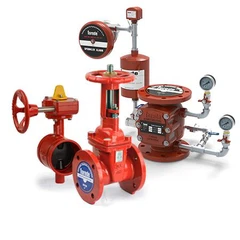
A pre-action valve, also known as a pre-action valve installation, is a device used in pre-action fire sprinkler systems. It is designed to prevent water from entering the sprinkler piping until a fire is detected. When a fire is sensed, the pre-action valve is activated, allowing water to flow into the piping and be ready to discharge through the sprinklers if the temperature rises sufficiently to open them. This system minimizes the risk of water damage due to accidental activation and ensures that water is only released in response to a confirmed fire. Pre-action valves are typically used in areas where water damage could be particularly damaging, such as libraries, museums, and computer rooms.
On the other hand, a deluge valve is an automatic water supply control valve used in deluge fire protection systems. It operates by opening rapidly to allow a large flow of water into the sprinkler system when activated. Deluge valves are usually triggered by a fire detection system, such as smoke detectors or heat detectors. Unlike pre-action valves, deluge systems do not have individual sprinklers that need to reach a certain temperature to open; instead, the entire system is flooded with water once the deluge valve is activated. This makes deluge systems particularly effective for high-hazard areas that require rapid and extensive suppression of fires, such as chemical storage facilities and industrial plants.