



What is the primary purpose of an FDC?
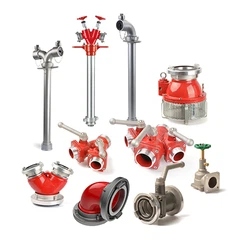
A Fire Department Connection (FDC) is a critical component of a building's fire protection infrastructure, designed to provide firefighters with a reliable and efficient means of supplying water to internal fire suppression systems during emergencies. Its primary purpose is to ensure that, regardless of the building's size, height, or location, firefighters can rapidly augment water flow and pressure to combat fires effectively. This article explores the core functions, operational significance, and strategic importance of FDCs in modern firefighting.
The most fundamental role of an FDC is to serve as an external access point for firefighters to connect pump trucks or fire engines to a building's internal fire suppression systems. In scenarios where:
- Municipal Water Pressure is Insufficient: Many high-rise buildings or large commercial structures exceed the reach or pressure capabilities of municipal water supplies. An FDC allows firefighters to bypass these limitations by pumping water directly into the building's standpipe or sprinkler system at high pressure.
- Internal Plumbing is Compromised: During a fire, pipes may burst, valves may fail, or water supplies may become contaminated. The FDC provides an alternative, uncontaminated water source, ensuring the fire suppression system remains operational.
- Extended Firefighting Operations are Needed: Fires in large buildings or industrial facilities often require sustained water flow. The FDC enables firefighters to maintain pressure over extended periods without relying solely on on-site water tanks or municipal resources.
FDCs are indispensable in buildings where traditional firefighting methods fall short:
- High-Rise Buildings: Gravity reduces water pressure as it travels upward through standpipes. An FDC connected to a pump truck can deliver water at the necessary pressure to upper floors, ensuring sprinklers and hoses function effectively.
- Underground or Enclosed Structures: Facilities like parking garages, tunnels, or shopping malls may have limited natural water access. FDCs provide a dedicated entry point for firefighting water.
- Industrial and Hazardous Sites: In chemical plants, warehouses, or facilities with flammable materials, rapid and high-pressure water delivery is critical to preventing escalation. FDCs enable firefighters to respond swiftly with adequate resources.
- FDCs enhance the overall reliability of a building's fire protection system by offering redundancy:
- Backup Water Source: If the primary water supply (e.g., municipal mains or on-site tanks) fails, the FDC serves as a secondary source, preventing system shutdown.
- Isolation from Internal Damage: During a fire, internal pipes may be damaged or blocked. The FDC bypasses these issues, delivering water directly to the fire suppression network.
- Compliance with Fire Codes: Most building codes mandate FDCs in high-risk structures, ensuring that fire protection systems meet minimum safety standards.
Time is of the essence in firefighting, and FDCs streamline the response process:
- Quick Connection: FDCs are designed for compatibility with standard fire hose couplings, allowing firefighters to attach pump trucks rapidly without delays.
- Clear Identification: Properly labeled FDCs with reflective signage ensure that firefighters can locate and operate them quickly, even in low-visibility conditions (e.g., smoke or darkness).
- Standardized Design: FDCs adhere to national standards (e.g., NFPA 14 in the U.S.), ensuring uniformity in design and operation across jurisdictions. This reduces training requirements and operational errors.
FDCs can serve multiple fire suppression systems within a building, including:
- Standpipe Systems: Provide water to hoses on upper floors for manual firefighting.
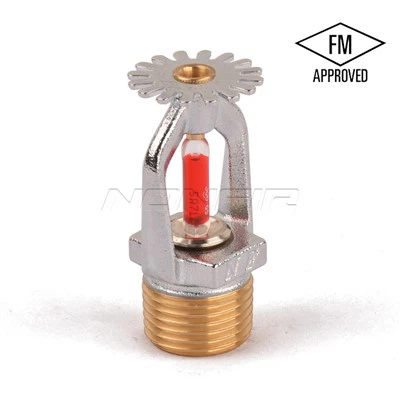
- Sprinkler Systems: Supplement or replace municipal water to ensure sprinklers operate at full capacity.
- Combination Systems: Some FDCs are dual-service, capable of supplying both standpipes and sprinklers simultaneously, optimizing resource use.