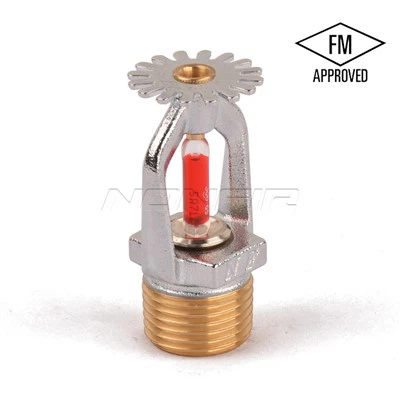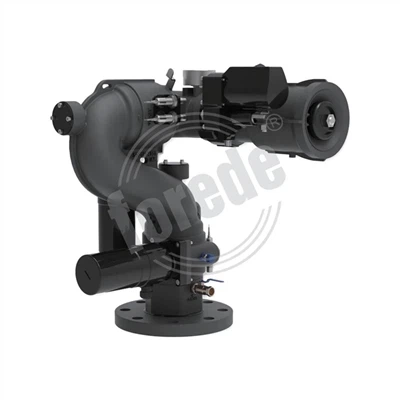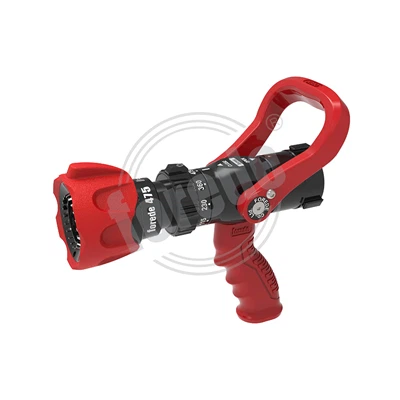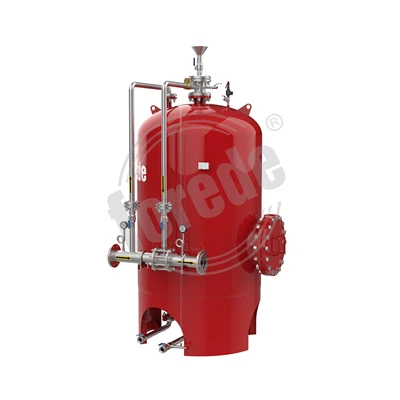



What is Dry Fire Sprinkler?
forede® brand Dry fire sprinkler systems are an essential component of fire safety in buildings and facilities. These systems help prevent fires from spreading and causing extensive damage by quickly and effectively extinguishing flames before they have a chance to grow.
One of the key benefits of dry fire sprinkler systems is that they are designed to work in areas where freezing temperatures may be a concern. Unlike traditional wet pipe systems, dry fire sprinklers have pressurized air or nitrogen in the pipes instead of water, which eliminates the risk of freezing and bursting in cold weather conditions.
In addition to their reliability in cold climates, dry fire sprinkler systems are also highly effective at controlling and suppressing fires. They are activated by heat, which triggers the release of water through the sprinkler heads to quickly extinguish flames and prevent them from spreading.
Overall, dry fire sprinkler systems are an important investment in fire protection and safety for any building or facility. By ensuring that these systems are properly installed and maintained, property owners can have peace of mind knowing that they have a dependable and effective method for controlling fires and protecting lives and property.
❄️ Dry Fire Sprinkler for Fire Protection System
- Specialized Fire Protection for Cold and Unheated Areas -
🔍 Overview
A Dry Fire Sprinkler is a critical component of a Dry Pipe Fire Sprinkler System, which is designed for environments where freezing temperatures could damage traditional wet sprinkler systems. Instead of holding water in the piping at all times, dry systems keep the pipes filled with pressurized air or nitrogen until the moment a fire triggers activation.
Dry fire sprinklers are commonly used in modern Fire Protection Systems to ensure year-round protection, even in unheated or sub-freezing environments, such as parking garages, warehouses, loading docks, and refrigerated storage facilities.
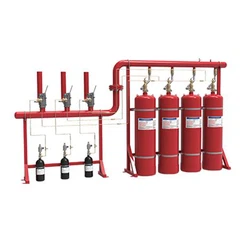
🧩 Key Components of a Dry Fire Sprinkler System
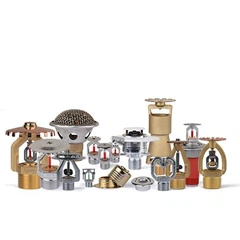
Dry Sprinkler Head
Specially designed with a long extension barrel
Contains a thermal element that bursts at a specific temperature
Triggers the release of air pressure and allows water discharge
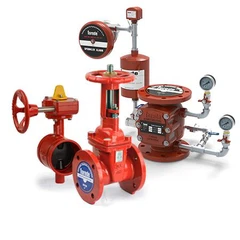
Dry Pipe Valve
Separates air-filled piping from the water supply
Opens when air pressure drops after sprinkler activation
Air Compressor or Nitrogen Generator
Maintains constant air pressure in the dry system
Ensures the dry valve stays closed under normal conditions
Alarm Devices
Flow switches, pressure switches, and bells activate the fire alarm system
Notify building occupants or emergency responders of a fire event
Sloped Piping Network
Allows residual water drainage after activation
Prevents standing water that could freeze
⚙️ How It Works
The system is filled with compressed air or nitrogen, keeping the dry valve closed.
When a fire causes the sprinkler head to activate, air escapes through the open head.
The pressure drop opens the dry pipe valve, allowing water to rush into the system.
Water flows through the open sprinkler to suppress the fire.
Simultaneously, the alarm system is triggered to alert building occupants.
✅ Advantages of Dry Fire Sprinklers
Freeze-Resistant: Ideal for environments below 4°C (40°F)
Effective Fire Suppression: Provides fast and localized water discharge
Minimized Water Damage: Only activated sprinklers release water
Versatile Installation: Can be used where wet systems are not practical
Complies with International Fire Standards: (e.g., NFPA 13, EN 12845)
🔍 Typical Applications
❄️ Cold storage and freezer rooms
🏢 Unheated warehouses and distribution centers
🚗 Parking structures and garages
🚪 Building exterior overhangs or loading docks
🏗️ Construction sites during winter months
🛢️ Chemical or flammable material storage zones (with dry deluge systems)
⚠️ Important Considerations
Slight delay in water delivery (compared to wet systems)
Requires proper design, including pipe slope and drainage
Higher maintenance costs due to air systems and valve inspections
Not suitable for environments where instant discharge is required
🧯 Integration into Fire Protection Systems
In a comprehensive Fire Protection System, dry fire sprinklers are often used in conjunction with:
Wet sprinkler systems in heated areas
Pre-action systems in sensitive environments (e.g., data centers)
Fire detection systems (smoke and heat detectors)
Fire pumps, control valves, and alarm panels for full system coordination
🏁 Conclusion
The Dry Fire Sprinkler is an essential and reliable fire protection solution where temperature extremes prevent the use of conventional wet pipe systems. It enhances the resilience of a building's fire protection infrastructure by providing automatic fire suppression in cold, unheated, or temperature-sensitive spaces. When properly designed and maintained, it delivers dependable performance, safety, and peace of mind in even the most challenging environments.