
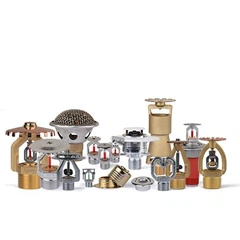
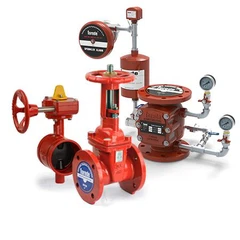
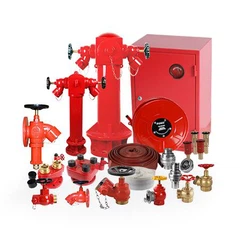

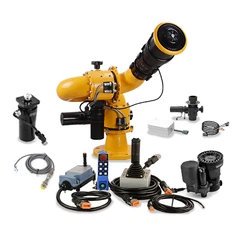
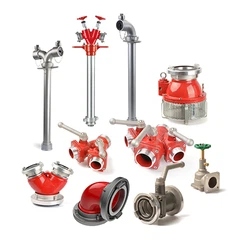
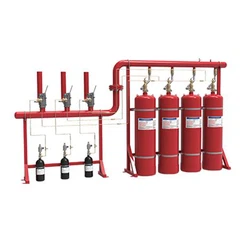

forede fire sprinklers
In the field of fire protection, the fire sprinkler is the "first line of defense" for early fire control and extinguishing. As a core product of Forede Fire Protection, Forede fire sprinklers are independently researched, developed and produced with high precision, reliable performance and wide adaptability. They are widely used in civil buildings, industrial sites and special scenarios around the world, providing efficient and safe fire protection solutions for human life and property safety. This article will elaborate on Forede fire sprinklers from definition, working principle, product classification, core parameters, application scenarios, product advantages and after-sales service, helping global customers fully understand the value and strength of Forede products.
Fire Sprinkler Definition & Core Value
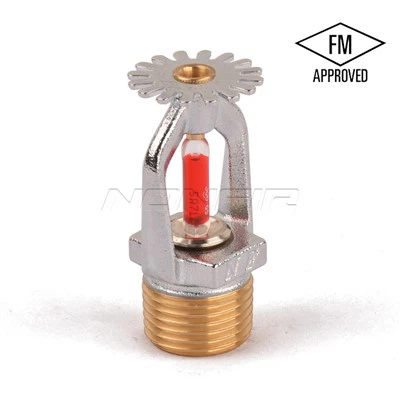
Forede fire sprinklers are the key terminal executive components of automatic sprinkler fire extinguishing systems. They are designed to automatically start through temperature sensing (glass bulb or fusible alloy) when a fire occurs, quickly spray water to control and extinguish the fire in the early stage, without manual intervention. As an essential part of building and industrial fire protection systems, Forede fire sprinklers not only have the characteristics of fast response, accurate fire control and low water damage, but also can be perfectly compatible with wet, dry, pre-action and other types of automatic sprinkler systems, adapting to different working environments and fire protection needs.
The core value of Forede fire sprinklers lies in "early detection, rapid response and effective control". In the initial stage of a fire, when the ambient temperature reaches the set action temperature, the sprinkler will automatically start, forming a uniform water curtain to cover the fire area, quickly reducing the fire intensity, preventing the fire from spreading, and gaining valuable time for personnel evacuation and fire rescue. At the same time, the design of Forede fire sprinklers focuses on reducing water damage, avoiding unnecessary economic losses caused by excessive water spray while extinguishing the fire.

Types of Fire Sprinkler Nozzle
How to classify the fire sprinkler
Classification by Structure Type
Closed-Type Sprinklers (Mainstream): Works independently; only the sprinkler near the fire starts, minimizing water damage. Suitable for most civil and industrial buildings.
Open-Type Sprinklers: No temperature-sensing element; starts with system linkage. For large-area water spray needs, such as chemical plants and large warehouses.
Classification by Installation Method
Pendent Sprinklers: Installed under ceilings, sprays downward. Suitable for shopping malls, hotels, residential buildings with ceilings.
Upright Sprinklers: Installed above pipelines, sprays upward then scatters. Suitable for workshops, warehouses without ceilings.
Sidewall Sprinklers: Installed on walls, sprays unilaterally. Suitable for narrow spaces like corridors and small rooms.
Classification by Response Speed
Standard Response Sprinklers: Mature, low-cost, moderate response speed. For general civil and industrial buildings with normal fire risk.
Quick Response Sprinklers: High-sensitivity, fast response. For crowded places like shopping malls, hospitals and underground garages.
Classification by Temperature-Sensing Element
Glass Bulb Sprinklers: Most common (over 90% sales); color-coded by operating temperature, easy to identify. Suitable for most environments.
Fusible Alloy Sprinklers: Resistant to low temperature and vibration. Suitable for cold storage, cold chain warehouses and outdoor low-temperature places.
-
ClosedType
-
OpenType


Working Process

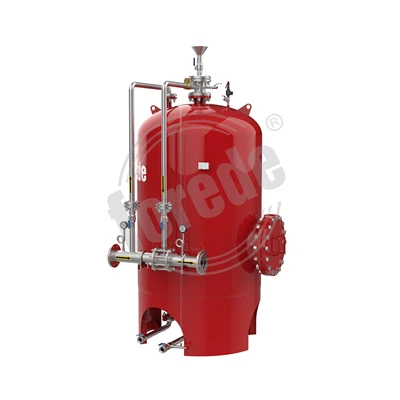
Foam Bladder Tank System Working Process
Forede fire sprinklers adopt a scientific and reliable temperature-sensing start mechanism, and the entire working process is fully automatic, without external power supply and manual operation. The specific working steps are as follows:
-
1.Normal Sealing State
Under normal non-fire conditions, the sprinkler is in a sealed state. The temperature-sensing element (glass bulb or fusible alloy) inside the sprinkler supports the sealing component, which tightly closes the water outlet of the sprinkler. At this time, the fire-fighting pipeline connected to the sprinkler is filled with pressurized water, maintaining a stable pressure, and the sprinkler does not spray water, ensuring normal use of the surrounding environment.
-

2.Temperature Triggering
The bladder is a soft, corrosion-resistant rubber inner tank pre-filled with foam concentrate. As the external water pressure continues to increase → it squeezes the bladder → the bladder contracts → and the foam concentrate is squeezed into the proportioner.
-
3. Water Spraying for Fire Extinguishing
After the sealing component falls off, the high-pressure water in the fire-fighting pipeline rushes out from the water outlet of the sprinkler. The water flow passes through the deflector (a key component of the sprinkler) and is scattered into a uniform water curtain or water spray, which evenly covers the protected area. The water spray can quickly cool the burning material, isolate oxygen, and achieve the purpose of extinguishing the fire.
-
4.Linkage Response
When the sprinkler starts to spray water, the water flow in the pipeline will trigger the water flow indicator and pressure switch in the system. The water flow indicator sends a signal to the fire control room to indicate the fire location; the pressure switch starts the alarm valve and fire pump, ensuring continuous and stable water supply to the sprinkler, so that the fire can be effectively controlled and extinguished in a short time.
-
5.Extinguishing Device
Based on the Forede fire sprinkler classification criteria mentioned earlier, and according to four core classification dimensions, they can be divided into the following types.


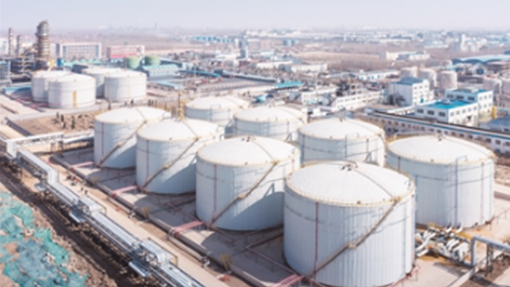
oil depot
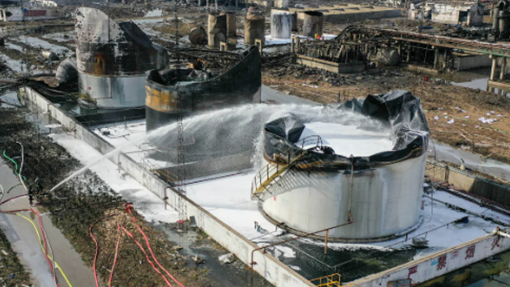
Chemical enterprises
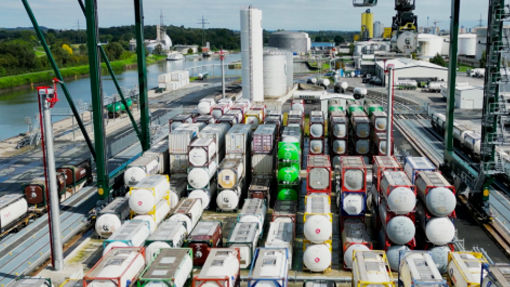
Port Terminal
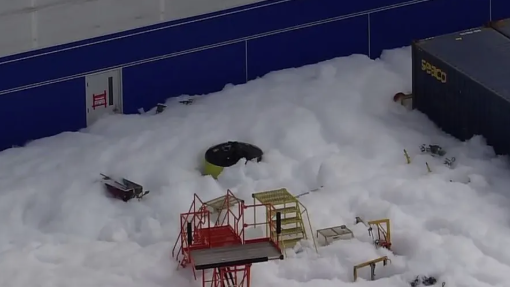
Airport aprons

Large logistics warehouse
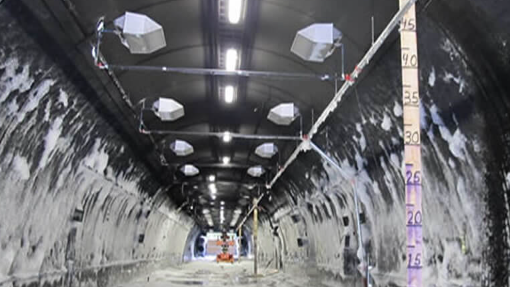
Tunnel fire protection system