


What is Deluge Fire Valves?
forede Deluge Fire Valves are core components of open-type deluge fire suppression systems, featuring a durable metal body, spring-loaded clapper, and pilot control mechanism. Operating in dry pipelines with open sprinkler heads, they activate rapidly via fire detection signals to deliver full-area water discharge for suppressing fast-spreading fires. Key advantages include rapid suppression, versatile detection linkage, harsh environment adaptability, dual activation modes, and easy maintenance. They are widely used in petrochemical plants, power plants, hazardous warehouses, and airports. Their working mechanism includes standby (pressure-sealed clapper), activation (signal-triggered pressure release), and discharge (full-area water spray + alarm). These valves are critical for high-risk fire protection, ensuring instant containment of catastrophic hazards.By combining rapid response and reliable performance, forede Deluge Fire Valves provide essential safetyfor high-risk facilities, minimizing losses from fast-spreading, high-intensity fires.
General Description
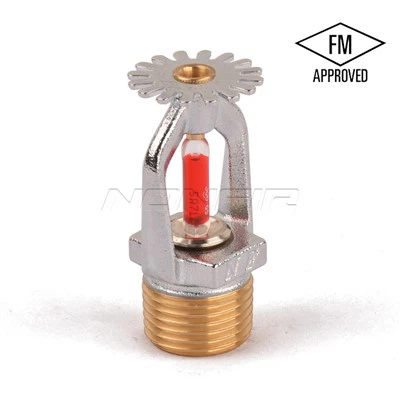
forede Deluge Fire Valves are specialized open-type control valves engineered for deluge fire suppression systems, designed to deliver instant, full-area water discharge to combat fast-spreading, high-intensity fires. Unlike closed-type wet alarm valves, these valves operate in dry-pipeline systems where sprinkler heads remain permanently open, and the pipeline is free of pressurized water during standby. Serving as the central control unit, Deluge Fire Valves connect the main water supply to the open sprinkler network and rely on seamless linkage with fire detection systems to trigger activation. Their primary function is to open rapidly upon detecting a fire hazard, enabling large-volume water to be released simultaneously from all sprinkler heads, thereby achieving immediate fire containment and preventing catastrophic escalation.
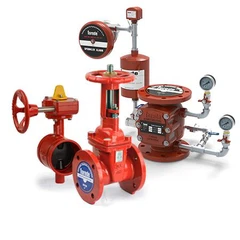
Constructed from high-strength cast steel or 316 stainless steel, the valve features a robust integrated structure, including a spring-loaded clapper (normally in closed position), a pilot control mechanism (available in electric, pneumatic, or hydraulic types), pressure monitoring gauges, a pressure relief port, and dedicated interfaces for linking to fire detection and alarm systems. During standby mode, the clapper is securely sealed by the combined force of an internal spring and pilot pressure (either air or hydraulic pressure), effectively isolating the main water supply from the dry sprinkler pipeline. This design ensures the pipeline remains dry and free of water pressure, avoiding potential freezing or leakage issues in harsh environments. Fire detection sensors (e.g., smoke, heat, or flame detectors) are strategically placed across the protected area, maintaining continuous monitoring for fire-related hazards.
When a fire occurs, the detection system quickly identifies the hazard and transmits an electrical or pneumatic signal to the valve's pilot control mechanism. This signal triggers the pilot mechanism to release the pre-applied pilot pressure, disrupting the force balance on the clapper. Immediately, the high pressure from the main water supply pushes the clapper open rapidly-typically within 5 to 10 seconds-allowing a large volume of water to rush into the dry pipeline and discharge simultaneously from all open sprinkler heads. Concurrently, a dedicated alarm port on the valve activates an on-site water motor gong or electronic alarm, alerting personnel to evacuate and respond. Engineered to handle working pressures ranging from 0.2 MPa to 1.6 MPa, these valves are compatible with various water sources such as fire pumps and high-capacity water tanks, making them versatile for diverse high-risk fire protection scenarios.
Advantages
forede Deluge Fire Valves offer five core advantages tailored to the unique demands of high-risk fire suppression, focusing on rapid response, reliable performance, and adaptability to harsh environments. These advantages make them indispensable for scenarios where conventional fire suppression systems are inadequate to contain fast-spreading fires that pose severe threats to life and property.
rapid full-area water discharge for fast fire containment. Upon activation, the valve opens instantly to enable simultaneous water discharge from all open sprinkler heads, covering the entire protected area within seconds. This eliminates the time lag associated with closed-type sprinkler systems, which require individual heads to activate as the fire spreads. The large water flow capacity-up to 200 m³/h depending on pipeline specifications-creates a uniform water spray or curtain that quickly cools the fire source, suppresses flames, and prevents the fire from spreading to adjacent areas. This feature is particularly critical for combating flammable liquid fires, chemical fires, and electrical fires that escalate rapidly.
durable construction for harsh environment adaptability. The valve body is fabricated from corrosion-resistant cast steel or 316 stainless steel, with an internal anti-corrosion coating that withstands exposure to chemical fumes, high humidity, dust, and extreme temperatures (ranging from -20°C to 80°C). The spring-loaded clapper mechanism is equipped with reinforced, wear-resistant seals, ensuring reliable operation even after long-term standby. External components are designed to resist impact and vibration, making the valve suitable for installation in challenging environments such as oil refineries, offshore platforms, industrial plants, and outdoor high-risk areas.
dual activation modes for enhanced safety redundancy. In addition to automatic activation via the fire detection system, the valve is equipped with a manual emergency override (a handwheel or lever), allowing on-site personnel to open the valve directly in case of detection system failure or urgent fire situations. This dual activation design ensures the fire suppression system can be triggered promptly regardless of the detection system's status. The manual override is user-friendly and requires no specialized tools, enabling quick response by on-site staff during emergencies to minimize fire damage.
modular design for simplified installation and maintenance. The valve's modular structure allows easy disassembly and replacement of key components (pilot mechanism, clapper seals, springs) without removing the entire valve from the pipeline, significantly reducing maintenance downtime and operational costs. Equipped with dedicated pressure gauges (for monitoring main water supply and pilot pressure) and drain valves (for pipeline flushing and maintenance), the valve facilitates routine inspections and upkeep. Standardized flange connections (ANSI Class 125/150 or GB/T 9119) ensure compatibility with various pipeline sizes and water supply systems, simplifying on-site installation and system integration.
How Do Deluge Fire Valves Work?
forede Deluge Fire Valves operate through a coordinated three-stage process-standby, activation, and water discharge-relying on the synergy between the valve's mechanical structure and linked fire detection systems. This working mechanism ensures rapid, reliable response to fires, delivering instant full-area water suppression to contain high-intensity, fast-spreading hazards. The entire process is designed to minimize delay between fire detection and suppression, a critical factor in high-risk environments.
Standby Mode: Pressure-Sealed Isolation During normal standby operation, the Deluge Fire Valve's spring-loaded clapper remains in a closed and sealed position. This seal is maintained by two complementary forces: the tension of an internal compression spring and the pressure from a pilot system (either pneumatic air pressure or hydraulic water pressure). The pilot pressure is applied to the top of the clapper, reinforcing the seal and preventing the high-pressure water from the main supply from entering the dry sprinkler pipeline. The sprinkler pipeline itself is empty and depressurized, with all sprinkler heads open and ready for discharge. Meanwhile, the linked fire detection system (equipped with smoke, heat, or flame sensors) continuously monitors the protected area, and pressure gauges on the valve display real-time readings of the main water supply pressure and pilot pressure, ensuring the system is in proper standby condition.
Activation Mode: Signal-Triggered Pressure Release When a fire breaks out, the rising temperature, smoke, or flame is quickly detected by the fire detection sensors. The detection system immediately transmits an electrical or pneumatic activation signal to the valve's pilot control mechanism. Upon receiving this signal, the pilot mechanism-depending on its type-either opens an electric solenoid valve, releases pneumatic air pressure, or relieves hydraulic pressure. This rapid pressure release disrupts the force balance on the clapper: the pilot pressure holding the clapper closed is eliminated, leaving only the internal spring tension, which is no longer sufficient to resist the high pressure from the main water supply. Within 5 to 10 seconds of the signal being received, the clapper begins to open, initiating the suppression process.
Discharge Mode: Full-Area Water Distribution & Alarm Activation As the clapper opens fully, the high-pressure water from the main supply rushes into the previously dry sprinkler pipeline. Since all sprinkler heads are open, water is discharged simultaneously from every head across the entire protected area, creating a uniform water spray or curtain that covers the hazard zone. Concurrently, the sudden flow of water through the valve activates an on-site alarm mechanism-typically a water motor gong-that produces a loud, audible alert to notify on-site personnel of the fire. A pressure switch connected to the valve also sends a remote signal to the central fire control center, providing real-time notification of the fire location and system activation. The valve remains open until the main water supply is manually shut off after the fire is extinguished, ensuring continuous water discharge for complete fire suppression.
Application
Petrochemical and Oil & Gas Facilities
Petrochemical and Oil & Gas Facilities are primary application sites. Oil refineries, chemical processing plants, fuel storage tank farms, and pipeline terminals-where flammable liquids (gasoline, diesel, chemicals) are processed or stored-rely on Deluge Fire Valves to suppress fires that can spread rapidly and trigger explosions. The valve's instant full-area water discharge creates a protective water barrier around storage tanks and processing equipment, cooling surfaces to prevent fire escalation. These valves are also used in offshore oil platforms and onshore oil depots, where their robust construction withstands harsh marine and industrial environments.
High-Risk Industrial Plants
High-Risk Industrial Plants extensively utilize these valves. Power plants (coal-fired, gas-fired, and nuclear), cable tunnels, and electrical equipment rooms-where electrical fires can spread quickly through cables and cause widespread power outages-depend on Deluge Fire Valves for instant suppression. Manufacturing facilities producing or processing flammable materials (rubber, plastics, textiles) also use deluge systems to protect production lines and storage areas. Additionally, metal processing plants (e.g., steel mills) deploy these valves to safeguard high-temperature equipment and prevent fire spread in workshops with combustible dust or debris.
Hazardous Goods Warehouses and Logistics Centers
Hazardous Goods Warehouses and Logistics Centers benefit from their full-area suppression capability. Warehouses storing flammable chemicals, aerosols, fireworks, or high-value combustible goods (paper, wood, textiles) require immediate full-area coverage to prevent fires from consuming entire inventories. Deluge Fire Valves ensure simultaneous water discharge from all sprinkler heads, covering large storage racks and open spaces quickly. Cold storage facilities storing flammable refrigerants-where wet systems are prone to freezing-also use deluge systems with freeze-resistant Deluge Fire Valves to maintain reliable fire protection.
Public Infrastructure and Transportation Hubs
Public Infrastructure and Transportation Hubs with high passenger density are another key application area. Airports (terminal buildings and aircraft hangars), railway stations, and subway stations-where fires can spread rapidly in crowded spaces and cause mass casualties-use Deluge Fire Valves to protect critical areas. Aircraft hangars, in particular, rely on large-scale deluge systems to suppress fires involving aircraft fuel, with Deluge Fire Valves ensuring instant full-area water discharge to cool the aircraft and prevent fire spread. Road and rail tunnels also deploy these valves to suppress fires in enclosed spaces where smoke accumulation and fire spread are accelerated.