


What is Light Alloy Ground Monitor
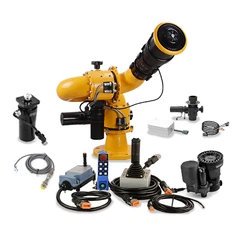
forede Light Alloy Ground Monitor is an 8–12kg portable fire device, with 360° rotation, adjustable spray head, and replaceable nozzles (stream/spray). It connects to hoses for water from engines or pumps. Advantages: lightweight (single-person carry), stable 35–55m jet, good jet shapes, easy operation, corrosion-resistant alloy. Ideal for industrial facilities, construction sites, warehouses, public places, and outdoor areas-addressing different fire types with flexible deployment.
General Description
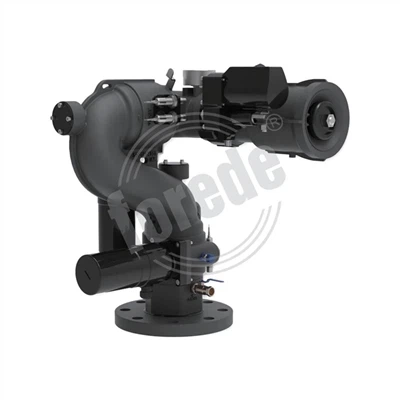
forede Light Alloy Ground Monitor is a portable, high-efficiency fire suppression device specifically engineered for flexible deployment in medium to large fire emergencies, with its main structure crafted from high-quality light alloy (primarily aluminum alloy) to prioritize mobility without compromising operational performance. Distinct from fixed fire-fighting equipment, it acts as a movable "water jet system" that delivers controlled, powerful streams of water or fire-extinguishing foam to quickly contain and extinguish blazes that are difficult to handle with handheld hoses. The device's core design revolves around its light alloy body, which offers an excellent balance of light weight and structural sturdiness-significantly lighter than traditional steel monitors, making it easy to transport while resisting wear and tear. Key components include a 360-degree freely rotating base (allowing comprehensive horizontal coverage of the fire scene) and a vertically adjustable spray head (with an angle range of -10° to 90°) to control the height and direction of the jet. The spray head is precision-manufactured to ensure stable water flow, and it comes with replaceable nozzles that support two main jet modes: a concentrated, long-distance stream (for targeting faraway or deep-seated fires) and a wide, diffused spray (for covering large surface-area fires). Equipped with ergonomic carrying handles on both sides for easy lifting and a anti-slip base with adjustable support feet (to keep it stable on uneven ground), the monitor connects to fire hoses via universal joints, enabling quick connection to water sources like fire engines, hydrants, or mobile water pumps. Typically weighing between 8–12kg, it can be transported and set up by a single person in just a few minutes. The simple control knobs on the body allow users to adjust the flow rate and jet direction effortlessly, making it a reliable mobile fire-fighting tool that bridges the gap between handheld hoses and heavy fixed monitors for dynamic fire-suppression needs.
Advantages
forede Light Alloy Ground Monitor boasts five key advantages rooted in its light alloy construction and optimized functional design-light weight, stable jet flow, good jet shape, easy operation, and strong adaptability-outperforming conventional fire-suppression equipment in diverse emergency scenarios.
stable jet flow guarantees fire-suppression efficiency. The internal flow channel of the monitor is precision-polished to reduce water resistance, and the spray head is designed with anti-turbulence technology-even under high water pressure (up to 14 bar), it can maintain a steady, non-dispersing jet. This stability ensures that the water or foam reaches the fire source with sufficient momentum, covering a maximum distance of 35–55 meters-far exceeding the 10–20 meter range of handheld hoses. For large fires, this means operators can stay at a safe distance from heat and smoke while effectively suppressing the blaze.
excellent jet shape adapts to diverse fire types. The replaceable nozzles create two well-formed jet patterns: the concentrated stream has a uniform diameter and strong penetration, making it ideal for extinguishing deep-seated fires (such as those in stacked goods or equipment cavities); the wide spray has a consistent coverage area and gentle water distribution, perfect for smothering surface fires (like oil spills or burning cardboard piles). Unlike low-quality monitors with irregular jet shapes that waste water and reduce efficiency, this monitor's jet patterns are optimized to maximize fire-suppression effect in different scenarios.
light alloy material ensures durability and corrosion resistance. The light alloy body is treated with anti-rust and anti-corrosion coating, which can withstand long-term exposure to water, foam, and harsh environmental factors (such as dust, oil, and mild chemicals in industrial settings). Unlike steel monitors that are prone to rust and deformation, this monitor maintains its performance even after repeated use and storage. Additionally, the light alloy material is impact-resistant-minor collisions during transportation or use will not cause damage to the core components, ensuring long-term reliability.
simple operation lowers usage barriers. The monitor is equipped with clearly marked control knobs: one for adjusting the horizontal rotation of the base, one for regulating the vertical angle of the spray head, and one for controlling the water flow rate. These knobs are designed with anti-slip textures and require minimal force to operate-no professional technical training is needed for basic use. Even operators with little fire-fighting experience can master the operation in a short time, reducing the learning curve and ensuring quick response in emergencies.
How to use a Light Alloy Ground Monitor?
Using forede Light Alloy Ground Monitor effectively involves four simple steps, focusing on safe setup, correct connection, rational operation, and post-use maintenance-ensuring efficient fire suppression while protecting the operator and the equipment.
Step 1: Prepare and Position the Monitor
First, assess the fire scene to select a safe and suitable location-choose a flat area at least 8–10 meters away from the fire source (to avoid heat and smoke exposure) with no obstacles between the monitor and the fire. Carry the monitor to the selected position using the ergonomic handles, then adjust the support feet on the base: twist the feet clockwise or counterclockwise to ensure the monitor stands stably (no wobbling) even on uneven ground. If the ground is particularly slippery (such as wet concrete), place a non-slip mat under the base to enhance stability.
Step 2: Connect to the Water Source
Take a compatible fire hose (with a universal joint matching the monitor's interface) and connect one end to the water inlet of the monitor. Align the hose joint with the monitor's interface, then twist the locking ring clockwise until it is tight (hand-tight is sufficient; do not use tools to avoid damaging the threads). Connect the other end of the hose to the water source-this can be a fire hydrant, fire engine outlet, or mobile water pump. Open the water source valve slightly to check for leaks: if water drips from the joints, tighten the locking ring further until the leak stops.
Step 3: Select Jet Mode and Adjust Parameters
Choose the appropriate nozzle based on the fire type: install the concentrated nozzle for long-distance or deep-seated fires, and the diffused nozzle for large surface-area fires. Once the nozzle is installed, open the water flow control knob on the monitor slowly (to avoid sudden water pressure impacting the device). Adjust the horizontal rotation of the base by pushing the side handles-rotate it 360 degrees as needed to align the spray head with the fire source. Use the vertical adjustment lever to set the spray angle: for low-lying fires, set the angle to -10° to 30°; for high fires (like ceiling or high shelves), set it to 45° to 90°. Adjust the flow rate knob to control the water output-increase the flow for large fires and decrease it for small, controllable blazes.
Step 4: Conduct Fire Suppression and Post-Use Treatment
During fire suppression, maintain a safe distance from the fire and continuously adjust the monitor's direction and angle to target the base of the fire (the source of the fuel) rather than the flames-this is key to extinguishing the fire quickly. After the fire is put out, close the water source valve first, then open the monitor's flow control knob to release any remaining water in the hose and the monitor. Disconnect the hose from the monitor and the water source, then clean the monitor's body and nozzle with a dry cloth to remove dust, mud, or residual foam. Check for any damage (such as cracks on the base or leaks in the joints) and store the monitor in a dry, ventilated place-avoid direct sunlight or humid environments to prolong its service life.
Application
Industrial and Manufacturing Facilities
Industrial and Manufacturing Facilities are key application sites. Factories producing or storing flammable materials (such as chemical plants, plastic processing facilities, and textile mills) use this monitor to handle fires in production workshops or warehouses. Its light weight allows workers to quickly move it between production lines, and the long-distance jet can reach fires in high shelves or large equipment without getting close to the danger zone. For example, in a warehouse with stacked goods, the concentrated jet can penetrate the fire layer to extinguish deep-seated blazes, while the wide spray can prevent the fire from spreading to adjacent goods.
Construction Sites
Construction Sites benefit greatly from its portability. Construction zones are filled with temporary structures, flammable materials (like wood, paint, and fuel cans), and uneven terrain-making fixed fire equipment impractical. The monitor's light weight (8–12kg) enables construction workers to carry it to scaffolding, high-rise floors, or foundation pits, and its adjustable base ensures stability on gravel, soil, or concrete surfaces. It is often used to suppress fires in construction vehicles (such as excavators or cement mixers), burning building materials, or temporary offices on-site, connected to mobile water pumps for off-grid use.
Public Places and Commercial Areas
Public Places and Commercial Areas use it for rapid emergency response. Large public spaces like shopping malls, exhibition halls, and stadiums often have complex layouts and large crowds. The monitor's easy operation allows security staff to quickly deploy it in case of a fire-for example, in a shopping mall's parking garage, the wide spray can extinguish car fires, while the concentrated jet can reach fires in high ceilings or ventilation ducts. Its light weight also makes it easy to store in small security rooms, ensuring it is readily available when needed.
Outdoor and Remote Areas
Outdoor and Remote Areas are suitable for its mobile design. Scenarios like outdoor oil depots, forest edge fire-prone areas, or remote construction projects (such as road construction in mountainous areas) often lack fixed water supply and fire-fighting equipment. The monitor can be carried by a single person to these areas and connected to portable water tanks or mobile fire pumps, providing critical fire-suppression support. Its corrosion-resistant light alloy body also withstands outdoor weather conditions (like rain, wind, and sun) without performance degradation.